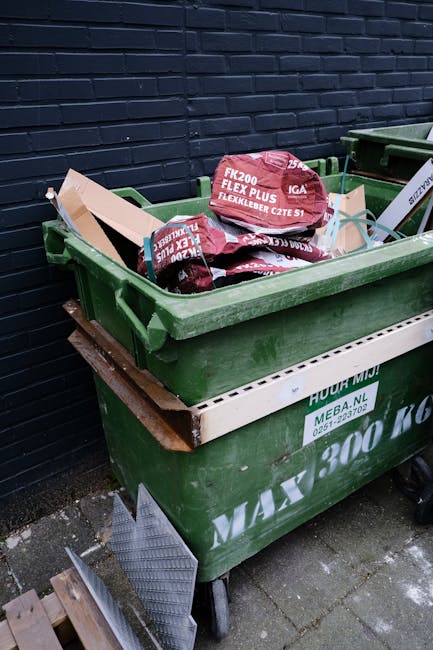
Builders rubbish and skip permits for Bethnal Green projects
Planning a renovation, extension, shop refit, or flat refurbishment in Bethnal Green? Then waste logistics can get messy very quickly. Builders' rubble, broken plasterboard, timber offcuts, packaging, old fixtures, and mixed junk have a habit of piling up faster than anyone expects. And if you need a skip on a public road, the permit side of things can become the bit that slows everything down. This guide explains Builders rubbish and skip permits for Bethnal Green projects in plain English, so you can stay organised, avoid fines or delays, and keep the site moving.
We'll look at when a skip permit is needed, how builders' waste is usually handled, what choices make sense for different jobs, and where people often go wrong. If you're trying to decide between a skip, a wait-and-load service, or a more flexible clearance option, you're in the right place. Truth be told, the best choice is rarely the one that sounds easiest on paper. It depends on the street, the volume, the timing, and how much hassle you want to take on.
Why Builders rubbish and skip permits for Bethnal Green projects Matters
On a building project, waste is not just a cleanup task at the end. It affects access, safety, pacing, neighbours, and even the mood on site. In a busy area like Bethnal Green, where roads can be tight and parking is already a small daily battle, the question of where builders' rubbish goes matters early, not late.
A skip placed on private land is one thing. A skip on a public highway is another. That second option may require a permit, depending on where it sits and who controls the space. If the permit is missing or the placement is wrong, the project can stall. Nobody wants the awkward moment when the waste lorry turns up and there's nowhere legal to put the container. You know how these things go. One missing detail, and suddenly everyone is standing around with mugs of tea and a half-finished wall.
For Bethnal Green projects, this matters even more because many jobs happen in compact residential streets, shared courtyards, converted flats, mews-style access lanes, and busy commercial frontages. The more constrained the location, the more important your waste plan becomes.
Expert summary: the best waste plan is the one that fits the site, not the one that looks cheapest in isolation. If the access is awkward or storage is limited, a skip may still work, but only with the right permit arrangement and timing. In other cases, builders' waste clearance or a flexible builders' waste clearance service can be simpler, cleaner, and less disruptive.
How Builders rubbish and skip permits for Bethnal Green projects Works
In practical terms, you have two big questions to answer: how will the waste be collected and where will it sit before collection?
If you are using a skip, the skip usually arrives from a licensed waste carrier and is positioned either on private land or on the road, depending on access. If it goes on the road or other public highway, a permit is typically needed. The permit is generally arranged through the local authority or via the skip provider handling the paperwork on your behalf. Processes vary, so it's worth confirming exactly who is doing what before the drop date.
If you use a wait-and-load approach, the vehicle arrives, you load the rubbish quickly, and the team leaves with it. That can be a strong option where parking is limited or a permit would be awkward. It is also handy when the project produces waste in bursts rather than all at once. A few bags of rubble after demolition day, then a batch of timber later, then mixed packaging after delivery day - very common, actually.
If you prefer a full clearance service, the waste can be removed from the site without needing a skip to sit outside for days. That can suit occupied properties, small streets, or projects that need the area kept tidier for residents, neighbours, or customers. For some jobs, it is the least stressful route by a mile.
There is one more detail people often miss: not all builders' waste is treated equally. Heavy inert waste like bricks, soil, and tiles is different from mixed waste, plasterboard, wood, metal, or packaging. The mix affects loading, disposal method, and cost. Sorting waste at source may feel tedious, but it usually pays off in cleaner handling and fewer surprises.
Key Benefits and Practical Advantages
Getting the waste and permit side right does more than avoid problems. It improves the whole shape of the job.
- Less disruption on site: The right container or collection method keeps walkways clear and reduces clutter.
- Better safety: Loose rubble, nails, plasterboard, and sharp offcuts can become hazards very quickly.
- Cleaner client experience: Homeowners and commercial occupiers notice when waste is handled neatly. They really do.
- Fewer delays: A permit issue, missed collection, or overflowing skip can knock the programme off balance.
- More efficient labour: Workers can spend time on the build instead of shuffling waste around for the third time that afternoon.
- Better neighbour relations: Keeping waste orderly helps reduce complaints and awkward conversations in the hallway or on the pavement.
There is also a commercial benefit. A well-run waste plan often makes the whole project look more professional. That matters if you are a builder working for repeat clients, or a landlord trying to keep tenants and trades happy during phased works. Small thing, maybe. But it adds up.
If the job is broader than builders' waste, some projects also involve furniture, appliances, or old office contents being removed at the same time. In that case, it can help to look at a wider waste removal option rather than splitting everything into separate collection calls. A bit of joined-up thinking saves time.
Who This Is For and When It Makes Sense
This topic is relevant to a lot more people than just builders. In Bethnal Green, projects come in all shapes and sizes, and waste builds up in exactly the same stubborn way whether you're a contractor or a homeowner with a hammer and an over-ambitious weekend plan.
You may need to think seriously about builders rubbish and skip permits if you are:
- renovating a flat or maisonette
- doing a kitchen or bathroom strip-out
- handling a loft conversion or rear extension
- refurbishing a shop, cafe, or small office
- managing a landlord turnaround between tenancies
- overseeing a property clean-up after structural works
- running a trade job with regular rubble and packaging output
It makes sense when the waste volume is enough to justify planned collection, but not so huge that you need a full site clearance operation every day. It also makes sense when the street is tight and parking is tricky. In Bethnal Green, that can be most of the time, to be fair.
One useful rule of thumb: if the waste is predictable and can be placed neatly in one location, a skip may work well. If the waste appears in waves, or the site cannot spare pavement or road space, a more flexible collection method often wins.
Step-by-Step Guidance
Here's a practical way to plan the waste side of a Bethnal Green project without overcomplicating it.
- Estimate the waste types. Split the job into rubble, timber, metal, plasterboard, packaging, and general mixed rubbish. Rough estimates are fine at the start, but they need to be honest.
- Check where a skip could sit. Ask whether you have private space, a forecourt, a driveway, or only public-road access. This one question changes everything.
- Decide whether a permit is likely. If the skip will sit on a public highway, assume a permit conversation is needed. Confirm the details before booking.
- Choose the collection method. Compare skip hire, wait-and-load, or a full builders' clearance service. The cheapest headline price is not always the cheapest total outcome.
- Plan timing around deliveries and trades. If demolition, removal, and new material drop-offs clash, the site becomes a bottleneck.
- Prepare access and loading space. Clear a route, protect floors where needed, and make sure waste can be moved without constantly weaving around tools and ladders.
- Separate recyclables where practical. Clean timber, metal, cardboard, and inert waste are usually easier to deal with when they are not all mixed together.
- Book the collection before the pile gets silly. Waiting until waste has spilled over usually means you are now paying for stress as well as disposal.
A small site note from real life: the best projects often have a "waste corner" from day one. Not glamorous, obviously, but it keeps everyone sane.
Expert Tips for Better Results
After enough site clearances, a few patterns become obvious.
- Choose the method that suits the street. A short, narrow road may make a skip impractical even if it looks ideal on paper.
- Think about loading height. If rubble is heavy, you do not want workers lifting it repeatedly over a tall side wall if another option is easier.
- Keep plasterboard separate where possible. It can affect disposal handling and can complicate mixed loads. Not always, but enough to matter.
- Don't leave waste near entrances. It is easy to create a pinch point by the front door or stairwell. People trip, bags tear, and then the day gets longer.
- Ask about load restrictions. A small skip can fill oddly fast with bricks and masonry. Weight limits are not just paperwork; they change how the job is planned.
- Schedule collections around the messiest phase. Demolition day and first-fix packaging day tend to produce the most awkward waste peaks.
If your work also involves clearing out old household contents before or after the build, a broader service such as home clearance may help when you want one team to deal with mixed items in a more organised way. For larger interior projects, this can be a surprisingly neat solution.
Another tip: keep one person responsible for the waste plan. Too many hands in the air, and it gets muddled fast. One contact, one plan, one point of truth. Simple, but effective.
Common Mistakes to Avoid
Most waste problems are avoidable. The frustrating part is that they are usually avoidable in exactly the same few ways.
- Booking a skip before checking access: A container that cannot physically fit the street or turning space becomes an expensive nuisance.
- Assuming a permit is automatic: It is better to confirm the arrangement than to hope for the best. Hope is not a waste strategy.
- Mixing too many waste streams: When rubble, timber, insulation, metal, and general junk are all thrown together, sorting gets more difficult.
- Overfilling the skip: Once waste goes above the fill line, collection can be refused or delayed.
- Leaving booking until the last minute: Permit lead times, vehicle availability, and project changes all become more stressful under time pressure.
- Ignoring neighbour impact: A skip placed badly can block sightlines, create litter, or irritate residents who already have enough going on.
There is also a subtle one: not checking whether the job is actually a builders' waste job at all. Sometimes it is partly builders' waste, partly old furniture, partly general household clearance. If that sounds familiar, services like furniture disposal or furniture clearance may need to sit alongside your waste plan rather than be squeezed into a rubble-only setup.
Tools, Resources and Recommendations
You do not need fancy software to get this right. What you need is a clear process and a few basics that make the decision easier.
- Site photos: Take quick pictures of the access point, frontage, and likely waste area before you book anything.
- Rough waste notes: A simple list of what is being removed helps separate heavy rubble from mixed light waste.
- Trade schedule: Keep a basic timeline showing when demolition, strip-out, install, and finishing work will happen.
- Clear instructions for the team: Tell everyone where waste should go and what must not go into the main pile.
- Price and quote review: Compare collection methods on total convenience, not just headline cost. The cheapest option can become the most expensive if it causes delays.
If you want to understand how the business presents its service standards, policies, and practical approach, the about us page is a useful place to start. For cost planning and getting a better feel for what different jobs may involve, see pricing and quotes. And if you care about waste being handled responsibly, the recycling and sustainability information is worth a look too.
Some readers also like checking how a provider approaches insurance and safety before letting anyone near a live project. Sensible, really. Sites are busy places.
Law, Compliance, Standards, or Best Practice
Waste handling in the UK is not something to wing. You do not need to memorise legislation for a small project, but you should work to sensible professional standards.
In practice, that means using a lawful waste carrier, keeping waste secured and correctly contained, and making sure your chosen collection method is suitable for the site. If a skip sits on the public highway, a permit may be required, and conditions can apply. Exact rules can vary by location, so always confirm the current local process before scheduling work.
Good practice also means keeping waste streams reasonably separate where it helps with handling and disposal. Heavy rubble should not be mixed casually with items that change loading or treatment requirements. The same applies to hazardous or specialist waste, which should be identified early and handled separately. If in doubt, ask before it goes in the pile. That one habit saves a lot of bother.
For commercial jobs, it is especially important that your waste plan matches site responsibilities. A retailer, landlord, office manager, or contractor all has a slightly different duty of care in how the clearance is arranged. If you are dealing with premises used for trading, business waste removal can be a more suitable route than treating everything like a domestic clear-out.
Best-practice takeaway: make the waste decision before the site gets messy, not after. It sounds obvious. It isn't always done.
Options, Methods, or Comparison Table
Here is a simple comparison of the most common approaches for Bethnal Green building jobs.
| Option | Best for | Main advantage | Potential drawback |
|---|---|---|---|
| Skip on private land | Projects with a driveway, yard, or forecourt | No need to occupy the road | Only works if space is genuinely available |
| Skip on public highway | Sites without private loading space | Can hold a large volume of waste | Permit process and street restrictions may apply |
| Wait-and-load | Tight streets, quick clearances, limited parking | Fast and flexible | Requires active loading within the agreed time window |
| Full builders' clearance | Projects with mixed waste or changing volumes | Less site clutter, more convenience | May not suit every purely rubble-heavy job |
For a lot of Bethnal Green projects, the real decision is between leaving a skip outside for a longer period or using a more dynamic collection method. If the road is busy and the site is compact, the flexibility of clearance can be a very practical win. If you have a private courtyard and a steady stream of waste, a skip may still be the neatest option.
Case Study or Real-World Example
Imagine a small flat refurbishment near a busy residential street in Bethnal Green. The work includes ripping out old kitchen units, removing broken tiles, stripping out some timber boxing, and dealing with plasterboard offcuts and packaging from new fittings. The team initially thinks a skip will be the cheapest route.
Then they look at access. There is no driveway, the pavement is narrow, and cars already park tightly along the road. A skip would likely need a permit and might still be awkward for neighbours and deliveries. After a quick review, the team switches to a planned builders' waste clearance arrangement with timed collections after demolition and again after installation.
The result is simple: less blocked access, fewer complaints, and no waste pile sitting outside for days. The builder can keep the hallway cleaner, the resident can stay in the property more comfortably, and the job feels calmer. Nothing dramatic. Just a smoother week, which, on a live site, is worth quite a lot.
If there had also been old items to remove before the works started, a service such as flat clearance would have been a sensible supporting option. That kind of layered approach often works better than trying to force everything into one bin.
Practical Checklist
Use this before you book the collection or arrange the permit.
- Confirm whether the waste will be stored on private land or public road space
- Measure the access point and check vehicle clearance
- List the expected waste types: rubble, timber, metal, packaging, plasterboard, mixed junk
- Decide whether a skip, wait-and-load, or full clearance is most practical
- Check whether the job needs staged collections rather than one large collection
- Separate reusable or recyclable materials where practical
- Keep walkways, entrances, and shared areas clear
- Agree who is responsible for booking and timing
- Review pricing, loading limits, and any permit-related conditions
- Make sure everyone on site knows where waste should go
Quick reality check: if the plan feels vague at this stage, it will feel worse once the waste starts arriving. Better to pause for ten minutes now than lose half a day later.
Get a free quote today and see how much you can save.
Conclusion
Builders rubbish and skip permits for Bethnal Green projects are not just admin. They shape how smoothly the whole job runs. The right setup keeps the site tidier, helps avoid permit headaches, and reduces friction for everyone around the work.
For some projects, a skip is still the right answer. For others, a more flexible clearance or waste removal arrangement is the smarter move, especially where space is tight and access is awkward. The key is to decide early, match the method to the site, and keep the process simple enough that people actually follow it.
Do that, and the waste side of the project stops being a problem you keep putting off. It just becomes another part of the job, handled properly, and out of the way.
And that, honestly, makes the whole week feel lighter.
Frequently Asked Questions
Do I need a permit for a skip in Bethnal Green?
You usually need to check the permit rules if the skip will sit on a public road or other highway space. If it stays on private land, a permit may not be needed. Always confirm the exact arrangement before booking.
What counts as builders' rubbish?
Builders' rubbish usually includes rubble, bricks, tiles, timber offcuts, plasterboard, metal, packaging, old fixtures, and mixed site debris. It can also include items from strip-outs and refurbishments.
Is a skip always cheaper than a clearance service?
Not always. A skip can look cheaper at first, but permit costs, access issues, loading problems, and extra time can change the picture. In tight Bethnal Green streets, a clearance service can sometimes be better value overall.
What is the difference between skip hire and wait-and-load?
Skip hire leaves a container on site for a period of time. Wait-and-load is a quicker collection method where waste is loaded into a vehicle during the booked visit. Wait-and-load is often useful where parking or permits are a headache.
Can I put mixed builders' waste into one container?
Often yes, but mixed loads should still be planned carefully. Heavy rubble, plasterboard, wood, and general rubbish can affect loading and disposal handling. Sorting where practical usually helps.
How do I know what size solution I need?
Start with the waste type, access, and timing. If you have a lot of heavy rubble and space on private land, a skip may suit. If the site is tight or the waste arrives in stages, a more flexible method may be better.
What if the skip cannot fit outside my property?
Then you may need to use private land, choose a smaller container, switch to wait-and-load, or book a full clearance option. This is common in compact London streets, so it is worth checking early.
Can builders' rubbish be collected from flats?
Yes, but access matters. Stairwells, lifts, shared entrances, and parking restrictions can all affect the best method. For flat projects, a clearance-based approach is often easier than leaving a skip outside for several days.
What should I ask before booking waste removal?
Ask about access, permit needs, weight limits, what waste is accepted, whether sorting is needed, and how quickly the waste can be collected. Those questions prevent most surprises.
Are there special concerns for commercial sites?
Yes. Commercial premises often need a clearer plan for timing, safety, customer access, and trade continuity. If the waste comes from business premises, a business-focused waste service is usually the sensible option.
What is the safest way to manage builders' rubbish during a project?
Keep waste in one planned area, avoid blocking exits, remove sharp or unstable materials quickly, and organise collection before the pile becomes unmanageable. Safety is really about keeping the site predictable.
Where can I learn more about your approach to service and safety?
You can review the company's health and safety policy, insurance and safety information, and terms and conditions to understand the service approach more clearly.
What if I also need to clear out old items before the build starts?
Then a broader clearance route may make more sense than trying to combine everything into a single builders' waste container. Depending on the property, house clearance, loft clearance, or garage clearance could help alongside the main project waste plan.
How do I book or ask for help?
If you want to discuss your project and get practical guidance on the best disposal option, you can use the contact us page to start the conversation. A short explanation of the site usually goes a long way.