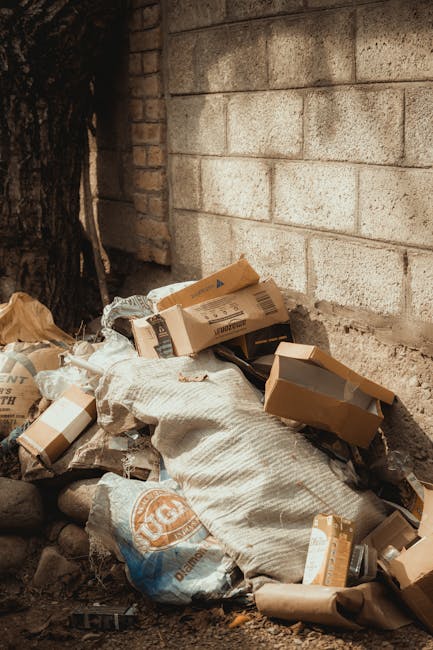
Tower Hamlets Council rules on household rubbish in Bethnal Green: a practical guide for residents
If you live in Bethnal Green, the day-to-day reality of rubbish can get messy fast. One week it is a broken chair, the next it is a stack of bin bags after a flat clear-out, and before you know it you are wondering what Tower Hamlets Council actually expects from household waste. This guide explains Tower Hamlets Council rules on household rubbish in Bethnal Green in plain English, so you can stay compliant, avoid fly-tipping issues, and keep your home, stairwell, or front pavement looking sane.
We will look at how the system works, what residents should do with mixed waste, bulky items, recycling, and when a professional clearance service may be the simplest route. Truth be told, the rules are not difficult once you know the pattern. The trick is knowing what counts as normal household rubbish, what needs separate handling, and what can get you into trouble.
Table of Contents
- Why these rubbish rules matter in Bethnal Green
- How the system works in practice
- Key benefits and practical advantages
- Who this is for and when it makes sense
- Step-by-step guidance
- Expert tips for better results
- Common mistakes to avoid
- Tools, resources and recommendations
- Law, compliance, standards, and best practice
- Options and comparison table
- Case study or real-world example
- Practical checklist
- Conclusion
- Frequently asked questions
Why Tower Hamlets Council rules on household rubbish in Bethnal Green Matters
Bethnal Green is a busy, high-density part of east London. That matters because rubbish does not have much room to be "someone else's problem". In blocks of flats, on narrow residential streets, and around shared entrances, one untidy pile can quickly become a nuisance for everyone. Bags split. Seagulls and foxes have a field day. Neighbours notice. So do enforcement officers.
The council's household rubbish rules exist to keep collections reliable, protect public health, reduce street clutter, and lower the risk of missed pickups or fines. They also help households separate recyclable material from general waste, which is better for the environment and, quite frankly, better for everyone who has to live with the aftermath. If you are clearing a flat, dealing with a move, or just trying to get on top of an overfull cupboard, the rules shape what you should do next.
Expert summary: The main idea is simple: put the right waste in the right place, on the right day, in the right container. If that sounds basic, it is. And yet most problems come from mixing things that should not be mixed, leaving items out too early, or assuming bulky rubbish is treated like a normal bin bag.
How Tower Hamlets Council rules on household rubbish in Bethnal Green Works
In practical terms, household rubbish rules usually revolve around a few core habits: sorting waste, using the correct containers, presenting bins or bags at the correct time, and dealing with items that do not fit the standard collection model. Bethnal Green homes often include flats, maisonettes, converted terraces, and shared buildings, so the exact setup can vary from property to property. That is one reason people get confused. The rule is not always complicated; the delivery method just changes.
Most households need to manage three broad categories: general rubbish, recycling, and larger items that cannot simply go in a black bag. In a flat, you might have communal bins and a shared bin store. In a house, you may have your own bins at the front. Either way, waste needs to be bagged or contained properly so it does not spill, leak, or blow away. Nobody wants to chase rubbish down the pavement on a wet Monday morning. Been there, regrettably.
Common household expectations usually include:
- keeping lids closed where bins have lids
- using the correct bin or sack for each type of waste
- not overfilling containers so they cannot be emptied safely
- placing bins out only in line with local collection arrangements
- not leaving loose waste beside the bin
- separating recyclable materials from general rubbish where instructed
If you are clearing a bigger volume of waste than usual, it may be more efficient to arrange help through a service such as waste removal in Bethnal Green or a more specific option like house clearance if you are dealing with a whole property. Those services are especially useful when items are too bulky, too many, or too awkward for normal council collection routines.
Key Benefits and Practical Advantages
Following the rules properly gives you more than just peace of mind. It makes daily life easier. In a place like Bethnal Green, where access can be tight and communal spaces are often shared, a tidy waste routine can prevent friction with neighbours and reduce the chance of pests or smells building up around bin areas.
- Cleaner shared spaces: Less mess in hallways, bin stores, and front yards.
- Fewer missed collections: Waste that is sorted and presented properly is easier to collect.
- Lower compliance risk: You reduce the chance of complaints or penalties linked to improper disposal.
- Better recycling outcomes: Separating materials makes it easier for recyclable items to stay out of general waste.
- Less stress during clear-outs: You know what to do with furniture, old appliances, and clutter.
There is also a practical money angle. If you can reuse the council collection system for regular waste and reserve private help for bulky or awkward items, you avoid paying for a bigger service than you need. That balance matters. Not every job needs a truck, and not every job fits neatly into a wheelie bin either.
For larger domestic jobs, the right support can save a lot of time. Services like home clearance and furniture clearance are especially useful when you are trying to clear out an old sofa, mattress, shelving, or mixed household clutter in one go.
Who This Is For and When It Makes Sense
This guidance is for almost anyone living or working from home in Bethnal Green, but some people will feel the pressure more than others. If you are in a flat above a shop, in a converted building with limited storage, or in a household going through a move, a bereavement, or a renovation, rubbish builds up quickly. And yes, it always seems to happen right when you are busiest.
You will find this especially useful if you are:
- a tenant trying to avoid issues with your landlord or managing agent
- a homeowner dealing with clutter, broken furniture, or end-of-tenancy waste
- a flat resident using communal bins
- someone moving house and trying to get rid of excess belongings
- household members splitting responsibilities and needing a clear system
- a family sorting out loft, garage, or garden waste
It also makes sense if you have items that are too large or inconvenient for standard collections. For example, a pile of wet cardboard after a delivery spree, an old wardrobe that barely fits down the stairs, or a garden shed's worth of broken bits. In those situations, a targeted service such as loft clearance, garage clearance, or garden clearance can be far more practical than trying to force everything into household bins.
Step-by-Step Guidance
If you want a clean, manageable routine, start with the basics and work upwards. No drama. Just a sensible order.
- Identify the waste type. Separate general rubbish, recycling, bulky items, and anything potentially hazardous. Do not assume everything can be bagged together.
- Check what can go in normal household containers. Lightweight packaging and everyday household waste may be fine, but oversized or sharp items usually are not.
- Contain everything properly. Use strong bags and closed bins where possible. Loose rubbish is the quickest route to complaints.
- Store it safely until collection. Keep waste away from shared corridors, fire exits, and access routes. Sounds obvious. It still gets missed.
- Put it out at the right time. Leaving bags out too early is one of the most common reasons streets look untidy by dawn.
- Handle bulky items separately. Large furniture, appliances, and household clutter often need a different approach.
- Book extra help when the volume gets beyond the routine. This is where a dedicated service can save time and hassle.
If you are handling a bigger clear-out, the right service matters more than you might think. For instance, flat clearance is often better for apartment contents, while furniture disposal can be the cleanest route for single items that are too heavy or awkward for household collection. And if the situation is mixed and messy, home clearance gives you a broader option without forcing you to sort every little thing twice.
Expert Tips for Better Results
After dealing with a lot of household clear-outs, one thing becomes obvious: the people who stay on top of waste are not necessarily the ones with the biggest homes. They are the ones with a simple system. A little routine goes a long way.
- Keep a "sort now" box in the kitchen or hallway. Small items that build up slowly, like packaging, batteries, or broken bits, are easier to deal with if they have a home before collection day.
- Break down cardboard and packaging early. It saves space and keeps bin stores from turning into a cardboard mountain.
- Do one quick sweep before collection time. A 30-second check often catches stray bags, loose rubbish, or items that should be moved indoors.
- Think in terms of access. In older Bethnal Green buildings, the issue is often the stairwell, not the waste itself. Make life easy for the people collecting it.
- Use the right service for the job. A mixed-property clear-out may be better handled by house clearance, while office overflow or shared workspace waste would sit more naturally with office clearance.
A small tip that helps more than people expect: keep a bag or box for "not rubbish yet" items. You know the ones. Old chargers, a lamp that might be repaired, a chair you are unsure about. That one box can stop the rest of the room from turning into chaos.
Common Mistakes to Avoid
Let's face it, most rubbish problems are not caused by massive mistakes. They come from a few small habits repeated over time.
- Putting the wrong items in the wrong bin. This is the big one. Mixed waste can create missed collections and contamination problems.
- Leaving bags beside overflowing bins. If the container is full, the extra waste often becomes a street-level problem.
- Dumping bulky items without planning. A sofa left out "for later" is still an obstruction, and sometimes a complaint waiting to happen.
- Ignoring shared-building rules. In flats, communal arrangements matter. One household's shortcut can affect everyone.
- Assuming garden or building waste is treated like ordinary rubbish. It often is not. Soil, rubble, timber, and renovation debris need a separate approach.
- Forgetting about documentation or proof of proper disposal. If you use a third-party service, make sure you are comfortable with how they operate.
One common real-world scenario: someone clears a bedroom, ends up with broken drawers, an old mattress, a pile of packaging, and a bag of everyday rubbish. It looks manageable at first, then suddenly it is three different disposal problems. That is the moment to pause and sort properly, not just shove everything into one corner and hope for the best. Hope is not a strategy. Not for rubbish, anyway.
Tools, Resources and Recommendations
You do not need fancy tools to manage household rubbish well. Mostly, you need a few practical items and a bit of discipline. Still, a little equipment makes the job easier.
- strong refuse sacks for general household waste
- sturdy gloves for handling dusty or sharp items
- labels or marker pens for sorting mixed piles
- a hand trolley or sack truck for bulky but movable items
- reusable storage crates for things you intend to keep or donate
For bigger domestic jobs, a trusted clearance provider can be the most useful resource of all. If you are comparing options, look at how the service handles mixed waste, heavy items, access issues, and recycling. Pages such as pricing and quotes can help you understand how a job may be priced, while recycling and sustainability is a helpful read if you want waste handled with a better environmental outcome.
If you are dealing with household furniture that still has some life left in it, it can also be worth considering whether it belongs in clearance or disposal. A careful approach through furniture clearance or furniture disposal depends on the item, condition, and how quickly you need it gone.
Law, Compliance, Standards, and Best Practice
When people talk about rubbish rules, they often think only about bins. But there is a wider compliance picture. Households should avoid fly-tipping, nuisance waste storage, blocked access routes, and careless disposal of items that need special handling. The exact council rules can change over time, so it is always sensible to check current local guidance before moving waste out of a property or arranging a collection.
Best practice in a place like Bethnal Green usually means:
- keeping refuse secure and contained
- not obstructing pavements, entrances, or communal areas
- separating recyclable material where expected
- using lawful disposal routes for bulky or mixed waste
- working with insured, transparent operators if you use outside help
If a household job involves heavier items, renovations, or commercial crossover waste, it is smart to think beyond "can I fit this in a bin?" and ask "is this the proper route?" For example, builder's rubble, broken plasterboard, or leftover materials from a small home project may fit better under a specialist service such as builders waste clearance. Business premises or home offices can be better served by business waste removal when household and non-household waste begin to overlap.
That careful distinction matters. It protects the resident, the building, and the wider street. It also reduces the risk of someone else having to clean up your problem later, which is never a good look.
Options, Methods, or Comparison Table
There is no single right answer for every household. Sometimes the council collection route is enough. Sometimes a one-off clearance is quicker and cleaner. Here is a simple comparison to help you choose.
| Method | Best for | Strengths | Limitations |
|---|---|---|---|
| Normal household collection | Daily rubbish and routine recycling | Simple, predictable, low effort | Not suitable for bulky or high-volume waste |
| DIY sorting and transport | Small loads you can move safely | Low cost and flexible | Time-consuming, physically awkward, may need vehicle access |
| Professional clearance | Bulky, mixed, or large household jobs | Fast, practical, less stress, often tidier finish | Cost varies depending on volume and access |
| Specialist service by room or item | Lofts, garages, furniture, offices, gardens | More tailored to the job | Best when the waste type is clear and defined |
If you are unsure which route is right, think about volume first, then access, then urgency. That usually points you in the right direction. A small bag of clutter is one thing. A stairwell full of old furniture on a Friday afternoon is another entirely.
Case Study or Real-World Example
A typical Bethnal Green scenario goes like this. A resident in a third-floor flat decides to clear a spare room after months of ignoring it. There is a wardrobe with a broken hinge, two bags of old clothes, a disassembled shelf, some packaging from a recent move, and a few bits that belong to recycling. At first glance it looks like "just a few items". In practice, it is several waste streams and an access problem.
They start by separating what can be reused, what can go in regular household waste, and what needs a larger removal. The small bags go out with normal rubbish. Cardboard is flattened. The wardrobe and shelf are the real issue because they will not fit in the standard bin area and would be awkward down the stairs. Instead of forcing the problem, they arrange a clearance service that handles the bulky items properly.
The result is boring in the best possible way: no blocked hallway, no mystery pile in the bin store, no weekend spent dragging wood down a narrow staircase. The room feels bigger straight away, and the rest of the flat stops "sweating clutter", if that makes sense. You can almost hear the echo again.
Practical Checklist
Use this simple checklist before putting household rubbish out or arranging a collection:
- Have I sorted general waste, recycling, and bulky items separately?
- Is everything bagged or contained safely?
- Will the rubbish block a walkway, doorway, or communal space?
- Do I know whether the item needs special handling?
- Have I checked whether this is a normal collection or a larger clearance job?
- Are any furniture, loft, garage, or garden items better handled separately?
- Have I arranged the waste so it can be collected without hassle?
- If using a third party, do I understand their service and pricing approach?
For mixed household clear-outs, the check is simple but effective. If it is too much for normal collection, do not guess. Pick the right route and move on.
Conclusion
Tower Hamlets Council rules on household rubbish in Bethnal Green are really about keeping waste controlled, safe, and sensible in a busy local environment. Once you understand the basics, the whole thing becomes much easier: sort properly, contain waste well, keep shared areas clear, and use the right disposal route for bulky or awkward items.
For everyday households, that may mean a better bin routine. For bigger jobs, it may mean getting help with a flat, house, furniture, loft, garage, or garden clearance. Either way, the aim is the same: less mess, less stress, and a cleaner place to live. And honestly, that is worth a lot on a rainy evening in east London.
Get a free quote today and see how much you can save.
Frequently Asked Questions
What are Tower Hamlets Council rules on household rubbish in Bethnal Green?
They are the local expectations for how residents should store, sort, and present household waste for collection. In practice, that means using the right containers, separating recyclables where required, and not leaving rubbish where it creates a hazard or nuisance.
Can I leave black bags beside a full bin?
Usually that is a bad idea. Loose bags can attract pests, spill, or become a street mess. If a bin is full, it is better to wait, re-sort, or arrange a larger removal rather than leaving waste beside it.
What should I do with bulky household items like a sofa or wardrobe?
Bulky items normally need a separate plan from routine rubbish. A professional option such as furniture clearance or house clearance is often more practical than trying to force them into normal household collections.
Does mixed recycling count as general rubbish?
Not always, but mixing recyclable material into general waste is usually poor practice and can cause problems. A safer approach is to separate items according to the container or collection type your property uses.
What if I live in a flat with communal bins?
Then shared rules matter even more. Keep waste contained, do not block the bin area, and avoid leaving items outside the system. In a communal setting, one careless bag can affect several households.
Can I put garden waste in the household bin?
Small amounts might sometimes be manageable, but larger garden clearances usually need a separate approach. Branches, soil, turf, and broken outdoor items can quickly overwhelm a normal household bin setup.
How do I clear a loft or garage full of rubbish?
Start by sorting items into keep, recycle, donate, and remove. Then decide whether the volume is small enough for normal disposal or whether you need specialist support such as loft clearance or garage clearance.
Are builder's materials treated like household rubbish?
Not usually. Renovation debris, rubble, timber offcuts, and similar materials often need a dedicated builders waste clearance route rather than ordinary domestic rubbish disposal.
How do I know if I need a clearance service instead of council collection?
If the waste is too bulky, too heavy, too mixed, or too much for routine collection, a clearance service is usually the better option. That is especially true for property moves, decluttering projects, and end-of-tenancy jobs.
Is it worth comparing prices before booking a clearance?
Yes, absolutely. Pricing can vary depending on volume, access, and the type of waste involved. A clear quote helps you avoid surprises and choose the right level of service.
What if I only have one item to remove?
Even one item can be a problem if it is large or awkward. A single sofa, mattress, or broken cabinet may still justify a furniture disposal service rather than a DIY attempt down narrow stairs.
Where can I get more information about waste handling and service options?
You can look at the service pages for waste removal, recycling and sustainability, pricing and quotes, or the relevant room-based clearance page depending on what needs to go. The right page usually makes the next step much clearer.